 Most residential storage sheds end up smaller than they should be — not because of yard space constraints, but because homeowners underestimate what they actually need to store and end up with a cramped, disorganized shed within a year of finishing the build. The good news is that a well-planned small shed can hold meaningfully more than a larger shed with no organizational system at all.
This guide covers how to inventory your actual storage needs before picking a size, interior layout strategies that make the most of a small footprint, built-in shelving and loft options you can incorporate during the build, and the organizational habits that keep a shed functional years down the line rather than sliding back into chaos.
Start With an Honest Inventory
Before you can maximize space, you need an accurate picture of what’s going into it. Walk your garage, yard, and any current storage areas and list everything that would move into the shed if space allowed — lawn equipment, hand tools, seasonal items, bikes, bags of mulch and soil, and anything else currently cluttering up space it shouldn’t be in.
Most people are surprised how long this list gets once they actually write it down. This inventory is also the foundation for picking the right shed size in the first place — see our shed sizing guide for a full walkthrough of matching size to use case.
Layout Principles for Small Sheds
Keep the Center Clear
The single biggest mistake in small shed organization is filling the center of the floor with boxes and loose items, leaving no clear path to reach anything at the back. Plan storage around the perimeter — shelving and hooks along the walls — and keep a clear walking path down the middle. This single principle does more for a small shed’s usability than any amount of clever shelving.
Use Vertical Space, Not Just Floor Space
A shed’s floor area is usually the most constrained dimension; the vertical space above head height is frequently underused. Wall-mounted shelving that extends up to the ceiling, pegboard for hand tools, and overhead hanging storage for seasonal items all use space that would otherwise sit empty.
Zone by Access Frequency
Items you reach for constantly — hand tools, the mower, frequently used supplies — belong near the door and at an easy reach height. Items you touch once or twice a year — holiday decorations, off-season equipment — belong in the hardest-to-reach spots: high shelves, deep corners, or a loft if your shed has one. Organizing by frequency of use, rather than by category alone, is what keeps a small shed efficient day to day.
Built-In Shelving Options
Shelving planned during the build — rather than added as an afterthought once the shed is finished — tends to be sturdier, better fitted to the space, and less likely to waste awkward gaps of unused wall.
- Wall-mounted shelving on cleats: Horizontal ledger boards (cleats) screwed into wall studs, with shelf boards resting on top. Simple, strong, and inexpensive, and can be sized to run the full length of any wall without door or window interruptions.
- Corner shelving units: Corners are often the most underused space in a small shed. A simple triangular shelf unit built into a corner adds storage without eating into usable floor or wall space elsewhere.
- Pegboard for hand tools: A sheet of pegboard mounted to open wall studs keeps hand tools visible, accessible, and off any shelf or floor space, which matters disproportionately in a small footprint.
- Overhead ceiling racks: For lightweight, infrequently used items — pool noodles, seasonal decorations, empty totes — a simple overhead rack built from 2x4s and hung from the roof framing uses space that has no other practical purpose.
Adding Loft Storage
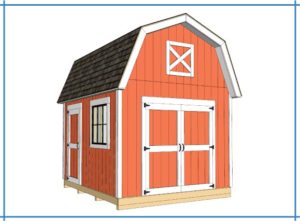
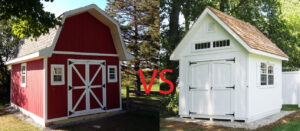
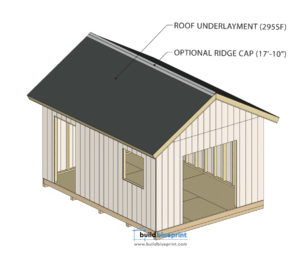
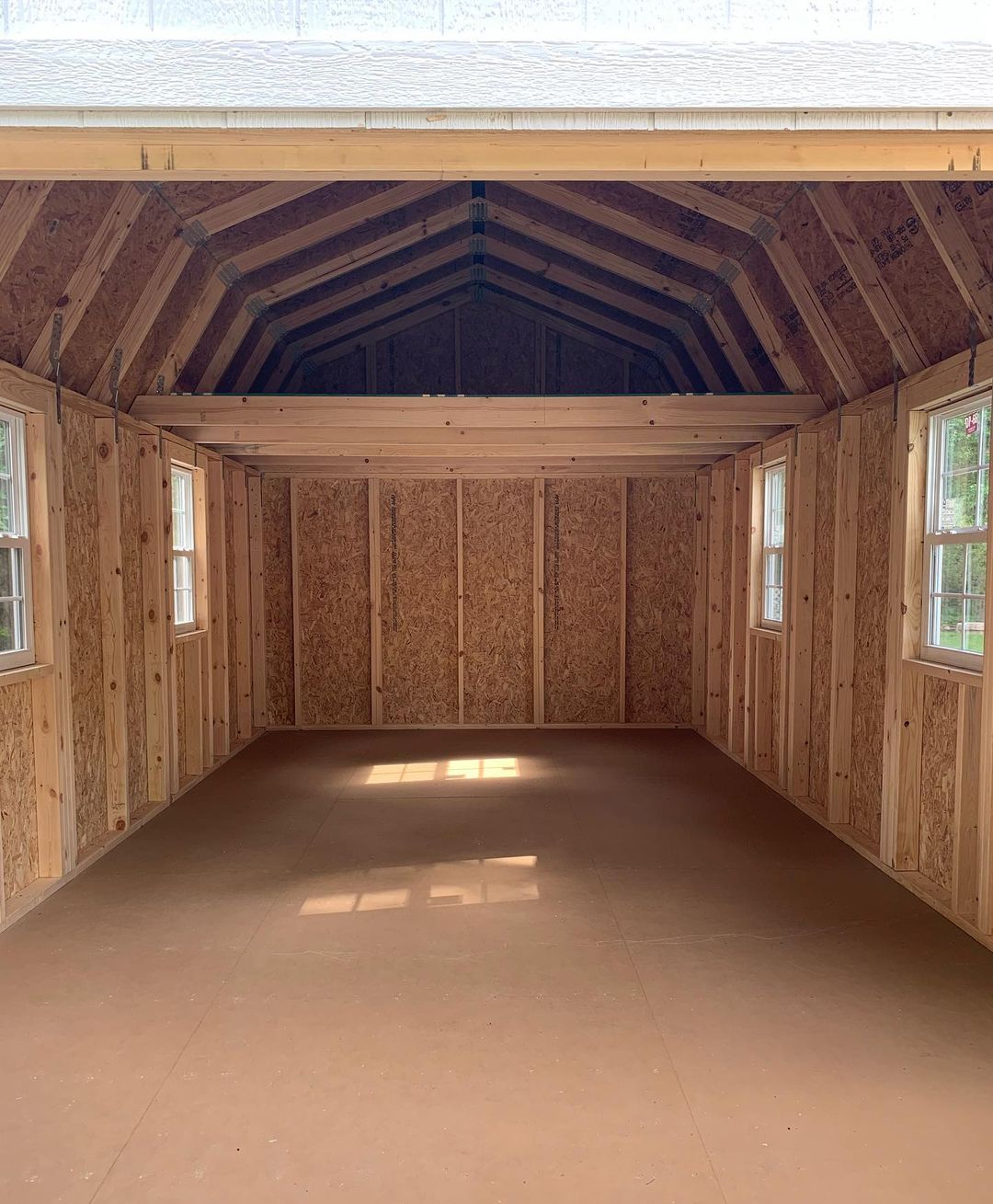
If you’re building or have built a shed with a gambrel roof, the space above the main floor is some of the most valuable underused storage available — and unlike a gable roof shed, a barn shed’s gambrel design typically provides enough headroom to make that loft genuinely functional rather than just crawl-space overhead volume. See our comparison of garden sheds vs. barn sheds if you’re still deciding between roof styles with loft potential in mind.
A few practical notes on loft storage specifically:
- Reserve loft space for lightweight, infrequently accessed items. Anything heavy or frequently needed is a poor fit for a space that typically requires a ladder to reach.
- Plan access before you build. A fixed ladder or simple built-in steps, positioned so they don’t eat into main-floor walking space, is worth designing in from the start rather than adding as an afterthought.
- Check your truss design supports loft loads. Not every gambrel truss is engineered with a bottom chord sized to carry a loft floor — verify your specific plan before assuming you can add loft flooring without modification.
Organizational Systems That Actually Last
The best shed organization system is the one you’ll actually maintain. A few practical habits make the biggest long-term difference:
Label everything, even if it seems obvious now. What’s self-evident on move-in day is easy to forget after a year of accumulating more items. Simple labels on bins and shelves keep the system functional as contents shift over time.
Do a seasonal reset. Twice a year — commonly at the start and end of the outdoor season — take twenty minutes to put things back where they belong, reassess what’s actually being used, and clear out anything that no longer needs to be there. Small sheds drift into disorganization faster than large ones simply because there’s less slack space to absorb clutter, which makes this periodic reset more valuable than it might seem.
Store like items together, not by whoever used it last. It’s tempting to put things back wherever there’s an open spot in the moment. Assigning a consistent “home” to categories of items — all garden tools in one zone, all seasonal items in another — pays off every single time you go looking for something specific.
Frequently Asked Questions
How do I organize a small shed?
Keep the center of the floor clear for walking access, use wall-mounted shelving and pegboard to take advantage of vertical space, and organize items by how frequently you use them — placing everyday items near the door and rarely used items in harder-to-reach spots like high shelves or a loft.
Should I build shelving into my shed during construction?
Yes, where possible. Shelving planned during the build tends to be sturdier and better fitted to the space than shelving added afterward, since it can be attached directly to wall studs and sized to fit specific wall sections without interruption from doors or windows.
What shed roof style gives the most storage space?
A gambrel roof (used on barn sheds) provides significantly more usable interior volume than a gable roof of the same footprint, due to the additional headroom its two-slope design creates. This makes loft storage genuinely functional in a way it typically isn’t in a gable-roof shed.
What should I store in a shed loft?
Loft space is best used for lightweight, infrequently accessed items — seasonal decorations, off-season equipment, and similar items — rather than heavy or frequently needed items, since loft access typically requires a ladder or built-in steps.
How often should I reorganize my shed?
A seasonal reset — roughly twice a year — is a practical rhythm for most storage sheds. Taking twenty minutes to put things back in their designated spots and clear out anything no longer needed keeps a small shed from drifting into disorganization over time.
Ready to Build or Upgrade Your Shed?
If you’re still deciding on a size or style before you build, these guides can help you plan the right shed from the start.